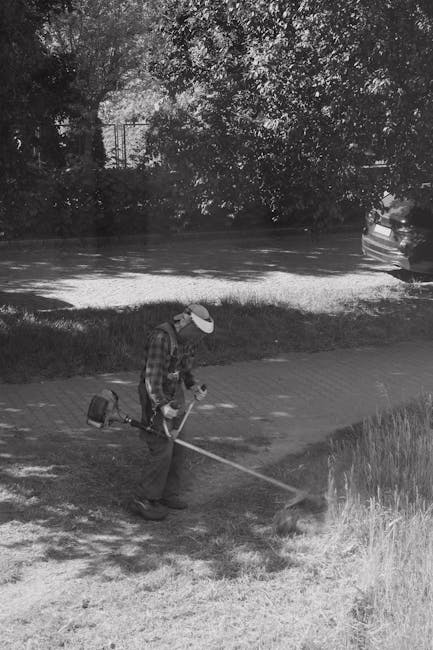
Garden maintenance Hounslow Central station reliable gardeners: a practical local guide
If you live or work near Hounslow Central station, you already know how quickly a garden can slip from tidy to tangled. One wet week, one busy month, and suddenly the lawn looks tired, the hedge is leaning into the path, and the border weeds are making themselves at home. That is where Garden maintenance Hounslow Central station reliable gardeners becomes more than a search phrase. It is about finding steady help from people who turn up, do the work properly, and keep your outdoor space looking cared for without fuss.
This guide explains what reliable garden maintenance actually involves, how a good service works, what to expect, and how to judge whether a gardener is the right fit for your space. It also covers practical decisions, common mistakes, and the small details that make the difference between a one-off tidy-up and a garden that stays under control all year. To be fair, that is what most people really want: not a dramatic makeover, just a garden that feels looked after.
Expert summary: reliable garden maintenance is part routine, part judgement. The best gardeners combine regular visits, sensible pruning, proper waste handling, and a clear eye for what your garden needs next. That sounds simple enough, but in the real world it is often the difference between a garden that keeps improving and one that keeps slipping backwards.
Table of Contents
- Why Garden maintenance Hounslow Central station reliable gardeners Matters
- How Garden maintenance Hounslow Central station reliable gardeners Works
- Key Benefits and Practical Advantages
- Who This Is For and When It Makes Sense
- Step-by-Step Guidance
- Expert Tips for Better Results
- Common Mistakes to Avoid
- Tools, Resources and Recommendations
- Law, Compliance, Standards, or Best Practice
- Options, Methods, or Comparison Table
- Case Study or Real-World Example
- Practical Checklist
- Conclusion
- Frequently Asked Questions
Why Garden maintenance Hounslow Central station reliable gardeners Matters
Gardens near transport links and busy residential streets tend to gather wear in a very ordinary, slightly annoying way. Foot traffic, wind-blown litter, shade from neighbouring buildings, and a patchwork of sun and rain can all shape how a garden grows. If you are near Hounslow Central station, you may also be balancing a compact outdoor space, shared boundaries, or a rental property that needs to look presentable to tenants, guests, or customers.
Reliable gardeners matter because garden maintenance is not just about cutting things back. It is about rhythm. A lawn that is mown at the right time stays healthier. Hedges that are trimmed with care grow more evenly. Beds that are cleared properly are easier to maintain next month. A regular schedule saves time later, and that part is often underestimated until the weeds have taken over and you are looking at a Saturday gone by.
There is also a trust factor. A gardener who arrives on time, communicates clearly, and leaves the site clean gives you confidence. A gardener who vanishes for three weeks, forgets the agreed tasks, or leaves cuttings in a heap creates extra work. Let's face it, nobody wants to chase someone up for basic reliability.
For households, landlords, and small businesses alike, the value is simple: a good maintenance routine protects the appearance, usability, and long-term condition of the garden. And if your outdoor space includes decking, mature shrubs, or awkward corners, this becomes even more important. You want someone who sees the whole picture, not just the quickest cut.
How Garden maintenance Hounslow Central station reliable gardeners Works
Good garden maintenance usually starts with a quick assessment. A gardener looks at the size of the space, the condition of the lawn, the density of the planting, the amount of waste, and the seasonal pressures. A compact front garden by a station road needs a different approach from a long back garden with mature hedging and a few tired borders. Same general idea, different rhythm.
From there, the work is typically built around a repeatable routine. That might include mowing, edging, weeding, hedge trimming, pruning, leaf clearance, bed tidying, and light green waste removal. In some cases, the job is purely maintenance; in others, it edges into heavier work such as garden clearance before the regular schedule can begin.
A reliable service also tends to be clear about what is included and what is not. For example, mowing and edging may be routine, while larger cutbacks, tree work, or landscaping improvements may need separate planning. If your garden needs a more structural reset, services such as landscaping or landscape gardening may come into the conversation. That is normal. Gardens change, and the service should change with them.
In a well-run job, communication is simple. You agree the tasks, the frequency, access arrangements, disposal expectations, and any sensitive areas to avoid. Then the gardener gets on with it. The best visits feel almost uneventful in the best possible way. You come back, open the back door, and think: yes, that looks right.
Key Benefits and Practical Advantages
There are obvious benefits, and then there are the quieter ones that matter just as much.
- Better presentation: a tidy garden makes the whole property feel more cared for.
- Healthier growth: regular pruning, mowing, and weeding reduce stress on plants.
- Less work later: smaller jobs done often are easier than large jobs left too long.
- Safer access: clear paths, trimmed growth, and managed debris reduce trip hazards.
- Improved usability: you can actually sit out, entertain, or simply enjoy the space.
- More consistent standards: the garden does not swing wildly from immaculate to chaotic.
There is also a cost-control angle. People sometimes assume maintenance is an extra expense, but in practice regular attention can reduce the need for larger interventions. If a hedge is kept in shape, it is less likely to become a big, awkward job later. If lawns are maintained sensibly, they are easier to recover after dry spells or heavy rain. It is a bit like keeping up with laundry rather than waiting for a mountain of it. Not glamorous, but effective.
For commercial or rental settings, the benefit is reputational as much as practical. A neat exterior creates a good first impression, and first impressions are sticky. Even if visitors cannot say exactly why the place feels better, they notice when it does.
Who This Is For and When It Makes Sense
This kind of service suits a wide range of people, but the reasons differ.
Homeowners often want dependable help because they are short on time, the garden has become overgrown, or they simply want better results than a rushed weekend job. A small garden near the station can still demand a fair bit of work if there is shade, fast growth, or regular leaf fall.
Landlords and letting agents usually need consistency. Properties look better for viewings and inspections when the garden is under control. A tenant may not always maintain outdoor space to the same standard, so a regular maintenance arrangement keeps things from drifting.
Small businesses and offices use garden maintenance to make entrances and side spaces look welcoming. A clean, trimmed frontage says a lot. It quietly signals care.
Elderly residents or busy families may want practical help because garden work has become physically awkward, not because they lack interest. And honestly, there is no shame in that. Kneeling in damp borders at 7 a.m. is not everyone's idea of a good time.
If your garden is already in a rough state, maintenance may need to begin with a one-off restoration. If it is generally fine but slipping, a regular plan is usually the better answer. That small distinction matters.
Step-by-Step Guidance
If you are trying to choose a gardener or plan your own maintenance approach, this simple sequence helps.
- Assess the garden honestly. Look at lawn condition, hedge size, weed pressure, waste buildup, and any awkward access points.
- Define the result you actually want. Is this a weekly tidy, a monthly upkeep plan, or a seasonal reset?
- List the priority tasks. Mowing, hedge trimming, border weeding, leaf collection, pruning, and debris removal are common starting points.
- Decide the frequency. A fast-growing garden may need more frequent attention in spring and summer, then lighter visits in colder months.
- Ask how waste is handled. Green waste removal matters more than people think. Bags left on site can become a nuisance fast.
- Confirm access and timings. Side gates, entry codes, pets, parking, and neighbour sensitivities all need a clear plan.
- Review after the first visit. Check whether the work matches your expectations and whether the routine feels sustainable.
A good first visit often reveals more than expected. Sometimes a garden needs a gentler pruning approach than the owner thought. Sometimes the lawn is thinner than it looked. Sometimes the main issue is simply that no-one has had time to keep on top of it. Happens all the time.
If the garden includes features like a patio or deck, maintenance can sit alongside specialist work. For example, a garden with slippery surfaces or worn timber may benefit from looking at decking services as part of a wider care plan. Not always, but sometimes it makes the whole space work better.
Expert Tips for Better Results
Here is where the small things start to matter.
1. Keep the schedule realistic. A garden that grows quickly in spring may not need the same plan in late autumn. Match the service to the season rather than locking yourself into a rigid idea of what maintenance "should" look like.
2. Don't overcut lawns. Cutting too short can leave grass stressed and patchy. A sensible mowing height is usually better for resilience, especially during dry spells.
3. Trim hedges with the end shape in mind. A hedge should be neat, yes, but it also needs light, balance, and manageable growth. If a hedge is repeatedly hacked back, it can become thin or uneven over time. Hedge trimming works best when it is regular and measured.
4. Tidy borders before weeds seed. A few minutes now can save a much bigger job later. The trick is consistency, not heroics.
5. Think about what happens after the cut. Clippings, branches, and leaf piles should be removed or composted appropriately, not just pushed into a corner and forgotten.
6. Watch for trees and heavy growth near boundaries. If branches are overhanging, touching roofs, or blocking light in a way that affects safety or access, it may be time to consider tree lopping and removal as part of the broader plan.
7. Ask for sustainability where it makes sense. Many gardens benefit from sensible recycling of green waste and careful use of materials. If that matters to you, it is reasonable to ask how waste is handled and whether the service follows a recycling-minded approach. You can also read more about recycling and sustainability.
Practical tip: if a gardener cannot explain what they will do with your lawn, hedges, and waste in plain English, keep asking. Clear answers usually mean clearer work.
And one more thing. The best gardeners do not just "do tasks"; they notice patterns. They see that one area stays damp, that a shrub is outgrowing its space, or that a border would be easier to maintain with a small redesign. That kind of judgement is worth a lot.
Common Mistakes to Avoid
Most garden maintenance problems are not dramatic. They are just a pile-up of small bad decisions.
- Waiting too long between visits: growth gets ahead of you, and the work turns from maintenance into recovery.
- Choosing on price alone: the cheapest option is not always the best value if the work is rushed or unreliable.
- Being unclear about scope: "tidy the garden" can mean five different things to five different people.
- Ignoring waste removal: cuttings left behind can spoil the look of the job and create extra disposal work.
- Forgetting seasonal needs: spring, summer, and late autumn all ask for different attention.
- Skipping safety checks: uneven ground, unstable branches, and hidden debris can all create avoidable risks.
Another common slip is expecting a maintenance visit to fix deeper design problems. Sometimes the garden is not just untidy; it is awkwardly arranged, poorly drained, or overplanted. In those cases, maintenance alone can only do so much. That is when a broader review, maybe with help from services overview, becomes useful.
Truth be told, gardens have a way of telling you what they need, but only if you stop and look properly.
Tools, Resources and Recommendations
A reliable gardener will normally arrive with the right equipment, but it helps to know what good practice looks like. Useful tools often include a mower suited to the lawn size, hand shears, hedge trimmers, secateurs, rakes, spades, pruning saws, and proper waste sacks or collection containers. The exact kit depends on the job, of course.
For the homeowner, the most helpful "resource" is often a simple maintenance note. Keep a record of what was done, when it was done, and what needs attention next. Nothing fancy. A notebook, phone note, or calendar entry is enough. This avoids the awkward "Was the hedge trimmed last month or was that the month before?" conversation.
Recommended planning items include:
- a seasonal task list
- a note of access arrangements and gate codes
- details of any fragile planting or wildlife areas
- any agreed waste removal preferences
- photos before and after larger visits
If you are comparing services, it also helps to review pricing clarity. A provider that explains what is included, what counts as extra, and how quotes are structured is usually easier to work with. You can start by looking at pricing and quotes if you want a better sense of how a straightforward estimate should be presented.
For more general background, the garden maintenance service page and services overview are useful places to understand how routine work and larger outdoor projects fit together.
Law, Compliance, Standards, or Best Practice
Garden maintenance is not usually a heavily regulated consumer service in the same way as some trades, but there are still important standards and duties to keep in mind. Good practice matters.
For example, a responsible provider should pay attention to health and safety, especially where there are ladders, sharp tools, uneven surfaces, or heavy waste bags. If work involves tree cutting, branches, or access near structures, careful planning is essential. The same goes for protecting neighbouring properties and keeping pathways clear during work.
Insurance is another sensible point. It is fair to ask whether a gardener carries appropriate cover for the work they do, particularly if they are handling larger tools or operating near valuable property. You can check the company's approach on insurance and safety and health and safety policy.
Waste handling should also be sensible and lawful. Green waste should be managed responsibly, and good providers should be able to explain how they dispose of or recycle materials. That does not need to be a lecture, just a clear explanation. On top of that, if you are dealing with customer data, access instructions, or payment details, privacy and secure handling should be respected. The relevant site pages, such as privacy policy and payment and security, help signal that the business takes those basics seriously.
For customer service, there should also be a fair route for feedback or complaints if something goes wrong. Nobody wants drama, but it is reassuring to know a process exists. If you like that kind of clarity, the complaints procedure page is worth noting.
One more practical point: if you are choosing a service, check whether the business explains its values and working standards clearly. Pages like about us and modern slavery statement are not just formalities; they can tell you how seriously the company treats people, process, and accountability.
Options, Methods, or Comparison Table
Not every garden needs the same kind of support. The right option depends on how fast things grow, how much time you have, and whether you are trying to maintain, recover, or improve the space.
| Approach | Best for | Pros | Possible drawbacks |
|---|---|---|---|
| Regular maintenance visits | Gardens that already have a basic structure | Keeps growth under control, predictable, easier to budget for | May not solve deeper layout or drainage issues |
| One-off tidy-up | Overgrown spaces or seasonal resets | Quick visual improvement, useful before a new routine starts | Can slip again if not followed by upkeep |
| Maintenance plus clearance | Gardens with heavy waste or neglected areas | Resets the space and makes future visits easier | Usually takes more time and planning |
| Maintenance plus landscaping | Gardens that need practical improvements | Can make long-term care simpler and more attractive | Higher commitment, sometimes phased work is wiser |
If the garden is already near a comfortable standard, a regular maintenance plan is often the smartest route. If it has turned into a jungle, well, the first step may be a clearance job before the maintenance routine begins. No shame in that. Gardens recover.
Case Study or Real-World Example
Imagine a small back garden close to Hounslow Central station. It has a patchy lawn, a hedge that has started leaning over the fence, a few weeds in the borders, and a corner where cuttings have been left to build up after several missed weekends. Nothing dramatic, but enough to make the space feel neglected.
The first visit focuses on restoring order: the lawn is mown, edges are cut in, weeds are removed, hedge growth is reduced carefully, and the waste is cleared away. The second visit is lighter. The gardener checks what bounced back, trims the hedge again if needed, and keeps the borders from becoming unruly. By the third or fourth visit, the garden feels manageable again rather than embarrassing. That is the big shift.
The owner does not need a full redesign. They need consistency, maybe a bit of advice on timing, and a gardener who notices the small stuff. A tiny front hedge that keeps blocking the path, a damp patch after rain, a border that always gets crowded first. Those details matter. They add up.
In real life, this is how reliable gardeners earn trust: not through big promises, but through steady improvement. The space gets calmer. The work gets easier. And the garden starts to feel like part of the home again instead of an extra project hanging over you.
Practical Checklist
Use this before you book or before the first visit.
- Check what tasks you want completed now and what can wait
- Decide whether you need regular maintenance or a one-off reset
- Note access details, parking, pets, and gate arrangements
- Ask how waste will be removed or recycled
- Confirm whether hedge trimming, mowing, and weeding are included
- Ask what happens if the garden needs extra work beyond the original brief
- Review any safety concerns, such as uneven ground or large branches
- Clarify whether the gardener can advise on future maintenance intervals
- Check that quotes are explained clearly and not left vague
- Keep a simple record of the work done after each visit
If you want a strong starting point, you can also browse lawn mowing, hedge trimming, and garden clearance to see how the main pieces of garden care fit together.
Conclusion
Reliable garden maintenance near Hounslow Central station is really about consistency, judgement, and trust. The right gardener keeps your outdoor space tidy without overcomplicating things, notices what needs attention before it turns into a problem, and leaves you with a garden that feels calm and usable. That is the goal, and it is a very reasonable one.
Whether you need ongoing lawn care, hedge trimming, seasonal tidy-ups, or a more involved reset, the smartest move is to choose a service that communicates clearly and works with your space rather than against it. Simple, steady, dependable. That is the good stuff.
Get a free quote today and see how much you can save.
If you are ready to take the next step, start by comparing the service details and getting a feel for the team behind the work. A garden can change faster than you think once the right hands get involved, and honestly, that first tidy-up can be a relief.
Frequently Asked Questions
What does garden maintenance usually include near Hounslow Central station?
It usually includes tasks such as lawn mowing, hedge trimming, weeding, edging, pruning, light clearance, and general tidying. The exact list should be agreed in advance so you know what is included and what counts as extra work.
How often should a garden be maintained?
That depends on growth rate, garden size, and the season. A fast-growing garden may need weekly or fortnightly attention in spring and summer, while a more stable space may only need monthly visits or seasonal work.
Is a one-off tidy-up enough for a neglected garden?
Sometimes, but not always. A one-off visit can make a big difference, though overgrown or heavily cluttered spaces usually need follow-up maintenance to stay manageable. Otherwise the garden slips back pretty quickly.
How do I know if a gardener is reliable?
Look for clear communication, punctuality, a straightforward scope of work, and an explanation of how waste and access will be handled. Reliability is often visible in the basics, not the sales talk.
Should I choose maintenance or landscaping first?
If the garden is mainly messy but structurally fine, maintenance usually comes first. If the layout is awkward, tired, or hard to look after, landscaping may be more useful because it can make future maintenance easier.
What should I ask before booking garden maintenance?
Ask what tasks are included, how often visits are recommended, what happens to green waste, whether access arrangements matter, and whether there are any additional charges for heavier work.
Can garden maintenance help with hedges and shrubs that have overgrown?
Yes, although large or difficult pruning jobs may need specialist attention. For regular shaping and control, hedge trimming is a core part of most maintenance plans.
What if my garden has a lot of waste or debris?
Then a clearance visit may be needed first. Once the space is reset, regular maintenance is usually much easier and less expensive to keep up with over time.
Do gardeners remove clippings and cuttings?
They should, if that is part of the service you agree. Always confirm waste handling in advance so there are no surprises. Little things like that save annoyance later.
Are there safety or insurance questions I should ask?
Yes. It is sensible to ask about insurance, safe working practices, and how the team handles tools, ladders, and waste. For peace of mind, check the business's insurance and safety information before booking.
How can I keep maintenance costs under control?
Keep the garden on a regular schedule, avoid letting growth run away, and be clear about priorities. Regular maintenance is usually more economical than repeated recovery jobs after long gaps.
What is the best next step if I want help now?
Start by reviewing the services, deciding whether you need routine care or a bigger reset, and then request a quote. A clear first conversation usually leads to better results all round.