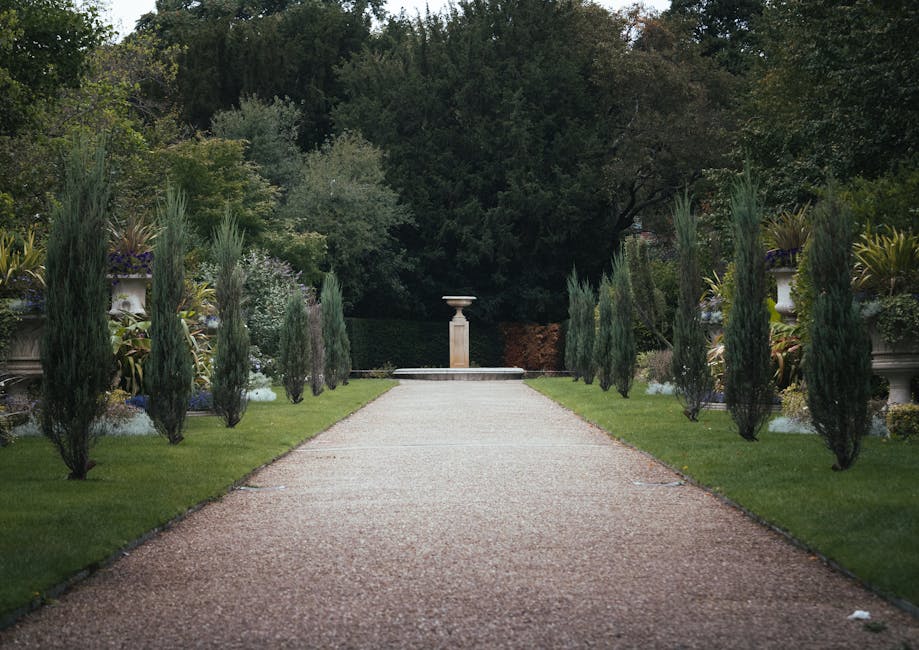
Isleworth gardeners premium garden care near Syon Park
If you live near Syon Park, you already know the appeal: mature trees, leafy streets, and gardens that can look brilliant one week and a bit tired the next. That is where Isleworth gardeners premium garden care near Syon Park makes a real difference. Not just a quick mow and a tidy-up, but thoughtful, consistent care that keeps planting healthy, lawns even, hedges sharp, and outdoor spaces looking properly looked after.
Premium garden care is about more than appearances. It is the difference between a garden that survives and a garden that settles in, grows well, and feels calm to use. In a place like Isleworth, where weather, shade, and busy family schedules all tug in different directions, the right routine matters. This guide breaks down what premium garden care actually involves, how it works, who it suits, and how to choose the right approach without overcomplicating things.
You will also find a practical checklist, a comparison table, and a real-world example to help you make sensible decisions. Nothing fancy for the sake of it. Just useful, local, grounded advice.
Contents
- Why it matters
- How it works
- Key benefits
- Who needs this
- Step-by-step guidance
- Expert tips
- Common mistakes
- Tools, resources and recommendations
- Law, compliance, standards and best practice
- Options and comparison
- Case study
- Practical checklist
- Conclusion
- Frequently asked questions
Why Isleworth gardeners premium garden care near Syon Park Matters
Premium garden care matters because a garden is a living system, not a static space. Lawns thin out, hedges get leggy, borders lose structure, and shrubs can become crowded if they are left to their own devices for too long. Around Syon Park, gardens also tend to be shaped by a mix of shade, privacy needs, and seasonal planting that benefits from steady attention.
There is another angle too. A well-kept garden changes how you use your home. You notice it when the patio is swept, the lawn is level, and the borders are not full of weeds trying to stage a coup. It becomes easier to sit out with a cup of tea in the morning or have friends round without doing that frantic 20-minute panic tidy. We have all been there.
For homeowners, landlords, and property managers in Isleworth, premium care also reduces preventable problems. Regular maintenance can catch issues early: diseased branches, compacted lawns, poor drainage, overgrown climbers, or areas that are becoming unsafe or awkward to manage. It is far cheaper and less stressful to stay ahead of the mess than to face a full reset later.
If you are planning broader improvements, it can help to view maintenance alongside the full range of garden services so you are not tackling each job in isolation. That wider view is often what separates decent care from really good care.
How Isleworth gardeners premium garden care near Syon Park Works
Premium garden care usually starts with an assessment. A good gardener will look at the site as a whole: sun and shade, drainage, current plant health, lawn condition, boundary lines, access, and how you actually use the space. A front garden with heavy foot traffic needs a different rhythm from a secluded back garden with roses, climbing plants, and a small lawn that dries out quickly.
From there, the work is usually organised into repeatable tasks and seasonal priorities. In practical terms, that can include mowing, edging, hedge trimming, pruning, planting, feeding, border clear-up, weed control, and waste removal. For some gardens, it may also involve more structural changes such as new beds, resurfacing, or a refresh to the layout.
What makes it premium is the planning. The aim is not just to make the garden look tidy for one afternoon. It is to keep everything moving in the right direction over time. That means timing cuts properly, not over-pruning, respecting plant cycles, and knowing when to leave something alone. Yes, sometimes the best gardening decision is not to grab the shears. Slightly annoying, but true.
For routine upkeep, many people combine regular visits with targeted jobs like garden maintenance, lawn mowing, and hedge trimming. If the garden has become unruly after winter or a long period of neglect, a one-off garden clearance may be the sensible starting point before maintenance can really begin.
Key Benefits and Practical Advantages
The obvious benefit is visual. A cared-for garden looks sharper, cleaner, and more inviting. But premium garden care brings a few less obvious advantages that really matter over the course of a year.
- Healthier planting: Regular feeding, pruning, and spacing decisions support stronger growth.
- Better lawn quality: Consistent mowing, edging, and aftercare reduce patchiness and weed pressure.
- Improved safety: Overhanging branches, slippery pathways, and cluttered access points are easier to manage.
- Less long-term cost: Small issues are caught before they turn into major repairs or replacements.
- More usable space: Gardens are far more enjoyable when they are practical, not just pretty.
- Stronger first impression: Helpful for homes on the market, rental properties, or simply making the place feel finished.
There is also a psychological benefit people underestimate. A tidy outdoor space tends to lower the feeling of background noise in daily life. You step outside, see order, and your shoulders drop a little. It sounds minor. It is not minor, really.
If you are adding structures or redesigning the layout, some gardens benefit from landscaping or more detailed landscape gardening work as part of the long-term plan. And if timber features are part of the vision, decking services can help create a usable outdoor area that fits the style of the property.
Who This Is For and When It Makes Sense
Premium garden care is a good fit for people who want the garden to be part of daily living rather than a neglected chore in the background. That includes busy homeowners, older residents who prefer not to do heavy work themselves, families with limited free time, landlords keeping a property presentable, and anyone with a more established garden that needs experienced handling.
It also makes sense if your garden has one or more of these characteristics:
- mature hedges or boundary planting
- lawns that struggle with shade or compacted soil
- mixed planting that needs seasonal attention
- sloped or awkward access
- areas affected by leaf fall, damp, or shade from nearby trees
- a recent period of neglect after a move, renovation, or personal change
Sometimes the need is not dramatic. You just want things to stop drifting. Maybe the lawn has started to feel more moss than grass, or the side return is becoming a jungle path, which is a bit dramatic but you know what I mean. That is exactly where steady professional attention helps.
For some properties, tree work may also become relevant. If branches are crowding the light or creating a maintenance headache, tree lopping and removal can be part of a broader garden management plan, provided it is approached carefully and appropriately.
Step-by-Step Guidance
If you are thinking about premium garden care near Syon Park, here is the most sensible way to approach it.
- Assess the garden honestly. Look at what is happening now, not what you hope is happening. Is the issue lawn quality, hedges, weeds, drainage, or overall neglect?
- Define the outcome. Do you want a low-maintenance garden, a polished entertaining space, or a restoration of an overgrown area? The answer changes the plan.
- Choose the right level of service. Routine maintenance is different from clearance, redesign, or repair work. Do not pay for the wrong thing.
- Agree the frequency. Some gardens need weekly or fortnightly visits in peak season; others are fine with seasonal visits plus occasional support.
- Prioritise the basics first. Before styling or planting extras, get the ground condition, structure, and waste removal under control.
- Review results after the first few visits. A good routine should start showing itself in healthier growth, cleaner edges, and less constant firefighting.
A small but useful tip: ask what is included in each visit. People often assume the same thing by accident and then get surprised later. Not ideal. A clear scope saves everyone a headache.
If the work is part of a larger improvement plan, compare routine care with project-based services through the services overview so the sequence makes sense. Sometimes maintenance first, then landscaping. Sometimes the reverse. It depends on the garden's condition.
Expert Tips for Better Results
There are a few habits that consistently improve garden results, and none of them are especially glamorous.
Start with the soil and structure. If the soil is compacted or the borders are poorly shaped, the garden will keep looking half-finished even when it is tidy. Good surface presentation matters, but it rides on the basics underneath.
Do not over-cut hedges or shrubs. A lot of damage comes from trying to make everything look neat in one go. Better to shape gradually and keep the plant healthy than to hack it back and hope for the best. That is how you end up with a sad-looking stub and a lot of regret.
Match the mowing pattern to the season. During active growth, lawns need more frequent attention. In drier periods, it is usually better to avoid stressing the grass too much. Small adjustments make a real difference.
Plan around leaf fall and shade. Near mature trees, leaf litter can smother grass and hold moisture too long. A regular sweep and seasonal clean-down prevents moss and damp from taking over.
Build in waste removal. It sounds obvious, but green waste left sitting around quickly makes a garden feel untidy again. Good garden care ends when the space is usable, not when the cuttings are piled up in a corner.
And one more thing: keep a few photos of the garden across the seasons. It helps you spot patterns you might otherwise miss. Winter shade, spring growth, summer dryness - the lot.
Common Mistakes to Avoid
Even well-meaning garden owners slip into avoidable habits. These are the ones that show up again and again.
- Waiting too long: Letting work pile up makes every job harder and more expensive later.
- Choosing a service by price alone: Cheap can be fine for simple jobs, but not if the garden needs experience, care, and proper planning.
- Mixing maintenance with redesign without clarity: If you want changes to the layout, say so early. Otherwise expectations get muddy.
- Ignoring shade and drainage issues: A lawn that constantly struggles may need more than mowing.
- Overlooking access and storage: Garden work can be slowed down a lot if nobody has thought about where waste, tools, or materials will go.
- Assuming all plants can be cut the same way: They cannot. Timing matters.
Another common one is expecting instant perfection after years of neglect. Truth be told, some gardens improve quickly and some take a few cycles to settle. The honest answer depends on what is already there, and that is fine.
Tools, Resources and Recommendations
The right tools depend on the job, but premium garden care typically relies on a combination of practical equipment and good judgement. For homeowners who like to stay involved, a basic set may include a mower, hand shears, secateurs, a rake, a leaf collector, gloves, and a watering system suitable for the layout.
For more involved work, reliable cutting tools, proper edging equipment, and safe waste handling matter more than the fancy stuff. In some gardens, the issue is not a lack of tools at all. It is a lack of a clear routine. That is the bit people miss.
Useful things to ask about or keep in mind include:
- how often the lawn should be cut in the growing season
- which hedges need shaping versus a lighter trim
- whether any planting should be replaced rather than repeatedly rescued
- how waste is being handled and where it ends up
- whether the work is intended to maintain, restore, or redesign
If sustainability matters to you, it is worth asking how green waste is managed and whether materials are reused or recycled where appropriate. You can also look into the company's recycling and sustainability approach and compare it with your own preferences. Small choices add up, especially over a long season.
For transparency around costs, timing, and what is actually included, the pricing and quotes page is a sensible place to begin. It is always better to understand the framework before work starts than to guess and hope.
Law, Compliance, Standards, or Best Practice
Garden care is not usually a heavily regulated activity in the way some trades are, but good practice still matters. Responsible gardeners should work safely, dispose of waste appropriately, and avoid damage to neighbouring property, protected features, or unsafe trees and structures. In a busy residential area, that practical caution matters as much as anything.
If tree work is involved, care should be taken to assess the risk before cutting or removing branches. If there are shared boundaries, access concerns, or potentially hazardous limbs, the job should be handled with the right level of experience and insurance. That part is not glamorous, but it is the difference between a tidy job and a messy day.
Homeowners should also expect clear communication about scope, access, materials, and payment terms. A professional operation should be able to explain how it handles safety, waste, complaints, and data use in plain language. If you are reviewing the provider, it is fair to look at pages such as health and safety policy, insurance and safety, complaints procedure, payment and security, and privacy policy. Those details are boring until they are suddenly very important.
For a fuller sense of how a provider presents itself and what values it claims to follow, about us can be useful reading too. And if you need to check support details or make a direct enquiry, contact us is the natural next step.
Options, Methods, or Comparison Table
Not every garden needs the same level of attention. Here is a straightforward comparison to help you choose the right approach.
| Approach | Best for | Typical strengths | Limitations |
|---|---|---|---|
| Basic upkeep | Small, simple gardens with light growth | Affordable, quick, easy to schedule | Can miss long-term plant health and structure |
| Regular premium maintenance | Established gardens that need consistent care | Better plant health, cleaner finish, fewer surprises | Needs ongoing commitment |
| Clearance then maintenance | Overgrown or neglected spaces | Resets the garden and creates a workable starting point | More intensive at the start |
| Maintenance plus landscaping | Gardens needing both upkeep and improvement | Balances function, appearance, and layout | Requires clear planning and a wider budget |
To be fair, the right choice usually becomes obvious once you stand in the garden and look at it properly. If there is a useful structure already there, regular maintenance might be enough. If you cannot see the structure at all, you may need clearance first, then a longer-term plan.
Case Study or Real-World Example
Imagine a typical Isleworth back garden near Syon Park: a modest lawn, mature shrubs along one boundary, a narrow side path, and a hedge that has grown a little broader than anyone intended. Nothing dramatic, but enough to feel slightly nagging every time you look out of the kitchen window.
At first, the owner thinks the problem is the lawn. After a proper assessment, though, it turns out the real issues are a mix of shade, poor edge definition, and irregular trimming. The lawn is not failing because it is being mowed badly. It is struggling because the hedge is blocking too much light and the borders are cluttered, holding moisture and making the whole space feel smaller.
The solution is not a miracle. It is a sequence: clear the worst debris, improve access, trim the hedge correctly, level the lawn routine, and tidy the borders so the space can breathe. A few weeks later, the garden does not look "done" in a flashy way. It looks cared for. Which, honestly, is what most people actually want.
This is the kind of result premium garden care should deliver. Not drama. Just calm, reliable improvement.
Practical Checklist
Use this checklist before you book or begin work:
- Walk the garden in daylight and note the main pain points
- Decide whether you need maintenance, clearance, or both
- List any trees, hedges, lawns, or borders that need attention
- Check access for tools, waste, and materials
- Think about whether you want a neat finish or a longer-term redesign
- Ask how waste will be removed and handled
- Confirm how often repeat visits would be sensible
- Review safety, insurance, and payment details
- Ask about sustainability or recycling if that matters to you
- Keep a simple record of what has been done and when
If you can tick most of those off, you are already ahead of the game. Simple as that.
Conclusion
Isleworth gardeners premium garden care near Syon Park is really about keeping a garden useful, healthy, and pleasant to live with. It combines the visible stuff - the lawn, the hedge line, the borders - with the less visible work of planning, timing, and safe upkeep. That balance is what creates a garden that feels settled rather than constantly in need of rescue.
For many homes, the smartest approach is not one big overhaul. It is a steady, well-chosen plan that matches the garden's real condition. Start with the basics, keep the structure sound, and build from there. The result is usually more satisfying than trying to force everything into shape at once.
Get a free quote today and see how much you can save.
If you are weighing up what to do next, take a calm look at the space, define the outcome you want, and choose the level of care that will actually get you there. A good garden should make life feel a little lighter. That is the whole point, really.
Frequently Asked Questions
What does premium garden care mean for an Isleworth property?
Premium garden care means more than a basic tidy-up. It usually includes regular maintenance, careful pruning, lawn care, hedge shaping, waste removal, and a plan that suits the garden's condition and layout.
How often should a garden near Syon Park be maintained?
It depends on growth, shade, and how much the garden is used. Many gardens need more frequent visits during spring and summer, then lighter, targeted work in autumn and winter.
Is a garden clearance always needed before maintenance?
No, but it is often the right starting point if the garden has become overgrown or cluttered. If the main structure is still visible and workable, regular maintenance may be enough.
What services are usually included in premium garden care?
Common services include lawn mowing, hedge trimming, weeding, border tidying, light pruning, leaf clearance, and responsible waste handling. Some gardens also need landscaping or structural improvements.
How do I know if my lawn needs more than mowing?
If the lawn is patchy, mossy, heavily shaded, or waterlogged, mowing alone will not solve the issue. It may need soil improvement, scarifying, reseeding, or a wider change in garden management.
Can gardeners help with overgrown hedges and trees?
Yes, experienced gardeners can often handle hedge trimming and some tree-related work. If a tree is large, hazardous, or complex, it should be assessed carefully and treated as a specialist task.
What should I ask before booking a gardener in Isleworth?
Ask what is included, how often visits are recommended, how waste is removed, whether the gardener is insured, and whether they can explain their process clearly. Straight answers are a good sign.
How much should I expect to pay for premium garden care?
Costs vary by garden size, access, condition, and frequency of visits. It is better to ask for a tailored quote than to guess from a generic price online, because garden jobs can differ a lot.
Is premium garden care worth it for a small garden?
Often yes. Small gardens can actually benefit a lot from good maintenance because every square metre matters. A compact space looks better and feels bigger when it is properly managed.
What if I want a low-maintenance garden instead of regular upkeep?
That is a very sensible option for many people. A gardener can usually help simplify planting, improve layout, and reduce ongoing work so the space is easier to live with.
How important are safety and insurance when choosing a gardener?
Very important. Garden work can involve tools, ladders, heavy waste, and uneven ground. Clear safety practices and insurance help protect both your property and the people doing the work.
How do I get started if my garden has been neglected for a long time?
Start with an honest assessment and a clearance or reset if needed. Once the space is back under control, regular maintenance becomes much easier and more effective.